第一列
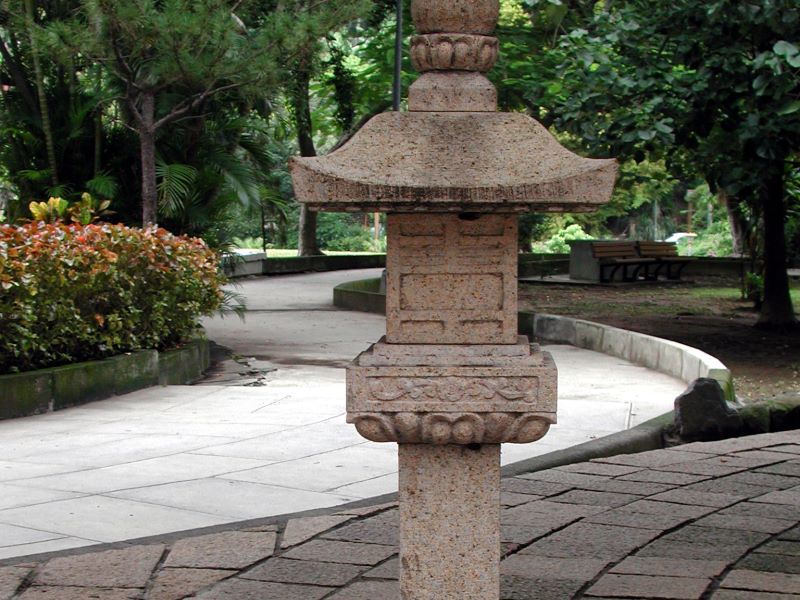
Surrounded by Mountains and Water - A Blend of Tradition and Modernity
Since the Japanese colonial era, the Beitou area has been a renowned hot spring recreation area in northern Taiwan, boasting precious hot spring resources, historic architecture, and rich cultural heritage. Beyond these attractions, Beitou connects with the Guandu natural wetland ecology and the Yangmingshan flower season, and is home to several major teaching hospitals. Beitou is an area blessed with mountains and water, combining historic charm with modern appeal.
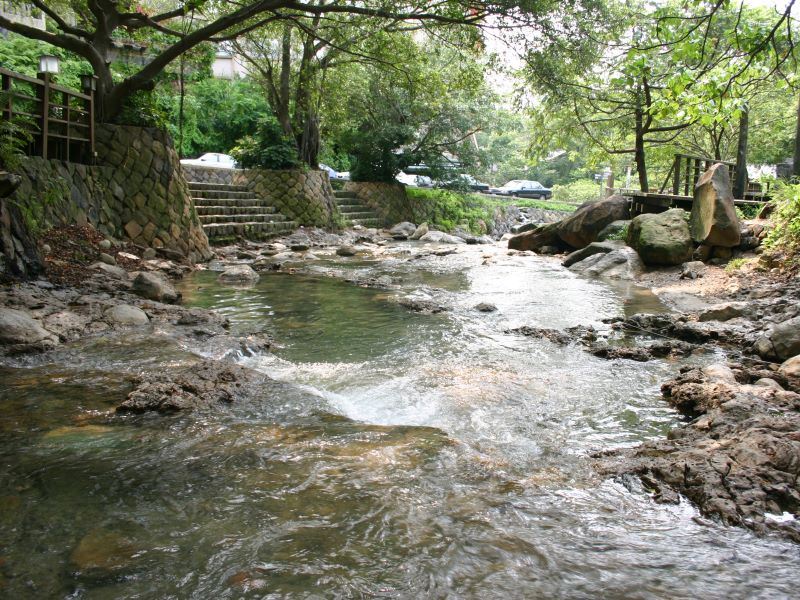
Northern Taiwan's Most Famous Hot Spring Scenic Area
The Beitou area is situated at the southwestern corner of the Datun Volcanic Group within Yangmingshan National Park, with approximately twenty major volcanoes in the district. The Beitou hot spring area is surrounded by three mountains: Datun Mountain, Qixing Mountain (Seven Star Mountain), and Shamao Mountain, while the other side overlooks the Tamsui River across a broad plain, offering spectacular views. It is the most famous hot spring scenic area in northern Taiwan. Although Datun Mountain's volcanic activity has ceased, post-volcanic features such as fumaroles and hot springs still possess significant geological interest and tourism potential.
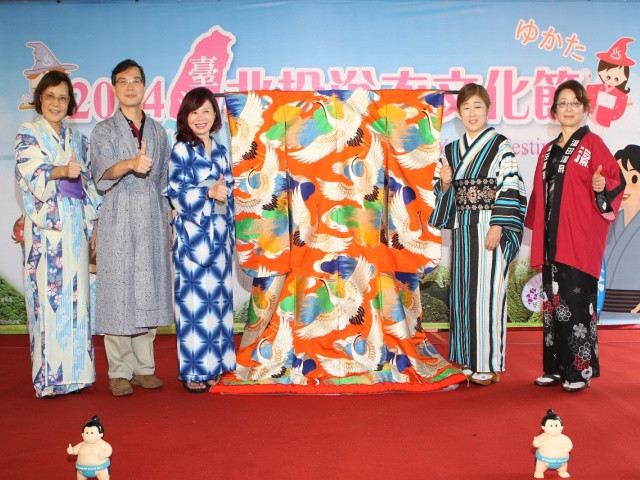
Beitou - A Fusion of Multiple Cultures
In its early days, Beitou was a boundary between the Ketagalan indigenous people and Han settlers, creating a fusion of multiple cultures. The sulfur mining during the Qing Dynasty also made Beitou one of the earliest settlements in the Taipei Basin. During the Japanese colonial period, hot spring recreation began to develop, later evolving into a tourism and entertainment district. As a result, the area contains many historical sites and artifacts from different eras, including the Japanese-style Puji Temple, Japanese-style inns, traditional Minnan-style old streets, and indigenous Ketagalan place names. These are well worth exploring with a guided tour to slowly appreciate the history.
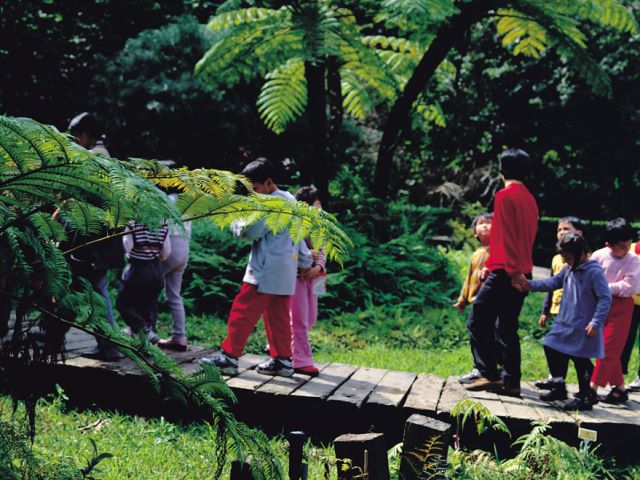
Cycling Across Guandu Plain Chasing the Sunset
Guandu, located on the western side of Beitou where the Keelung River and Tamsui River converge, gathers nutrients carried by river water and tides. To the northeast rises the Datun Mountain range, while to the west the Linkou Plateau and Guanyin Mountain shield against cold northeast monsoon winds. These favorable natural conditions make Guandu a place rich in natural resources. Since ancient times, Guandu Plain has been an important resting station and wintering ground for migratory birds. This natural environment preserves diverse ecology, including birds, rich plant life, and wetland organisms. The dedicated bicycle paths along the riverbanks, completed by the Taipei City Government, make it perfect for cycling across Guandu Plain while chasing the sunset. Today, Guandu has become synonymous with connecting with nature.
Modern Leisure Activities Combined with Traditional Hot Springs
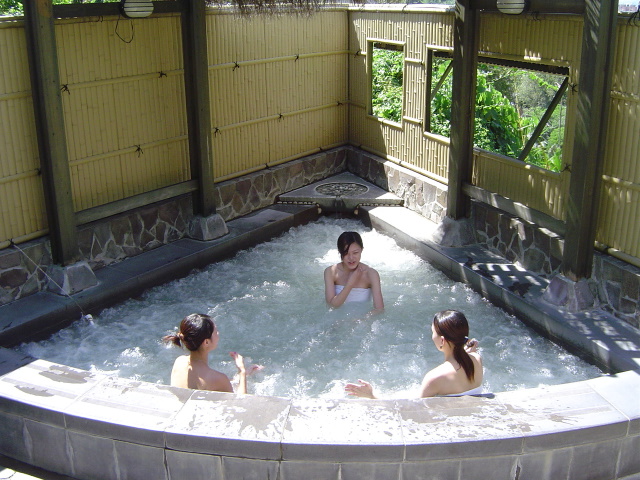
During the Japanese colonial period, when Hirata Gengo established Taiwan's first hot spring inn in 1896, the early clientele was primarily Japanese residents in Taiwan and a few privileged Taiwanese. Local indigenous people and Taiwanese farmers bathed in natural streams, creating Taiwan's earliest open-air baths. Before World War II, Taiwanese-operated hot spring inns featured Taiwanese-language songs and Nanguan music performances. After the war, Beitou briefly became a legal red-light district, serving as a pleasure quarter for American soldiers and Japanese tourists. As the entertainment district declined, in the 1990s, professionally managed hot spring themed hotels were renovated and reopened. Combined with government tourism investment, new-style hot spring hotels were established, injecting new vitality into Beitou's hot spring industry. Modern leisure activities were combined with traditional hot spring bathing, forging a fresh new direction for Beitou Hot Springs and sparking a hot spring boom. Starting in 2001, the "International Hot Spring Carnival" festival was held, and subsequent years saw "Hot Spring Flower Love" events coordinated with the Yangmingshan Flower Season, linking Beitou's hot springs with surrounding attractions to draw visitors.
Beitou Health Tourism Itinerary
Having a strong body and healthy mind is the foundation for career success and family happiness. Health check-ups are examinations for healthy individuals, aimed at "early detection, early treatment." Many diseases show no symptoms in their early stages. If advanced medical equipment and experienced doctors can help monitor your health and prevent disease or detect early signs, then life will always be vibrant.
The Beitou area is blessed with exceptional hot spring and tourism resources, and is home to several district-level and above hospitals. A "Health Tourism Itinerary" is currently being promoted: half-day or full-day health check-up programs, with remaining time for hot spring bathing or visiting nearby scenic spots. Beitou's nearby attractions include Thermal Valley, Hot Spring Park, Hot Spring Museum, Ketagalan Culture Center, Puji Temple, and more. Surrounding scenic areas include Guandu Nature Park, Yangmingshan National Park, tourist fruit farms, Zhuzihu, Shilin Official Residence, and Tamsui Fisherman's Wharf. Multiple transportation options make every destination easily accessible, saving significant travel time - a convenience that many scenic areas cannot match.